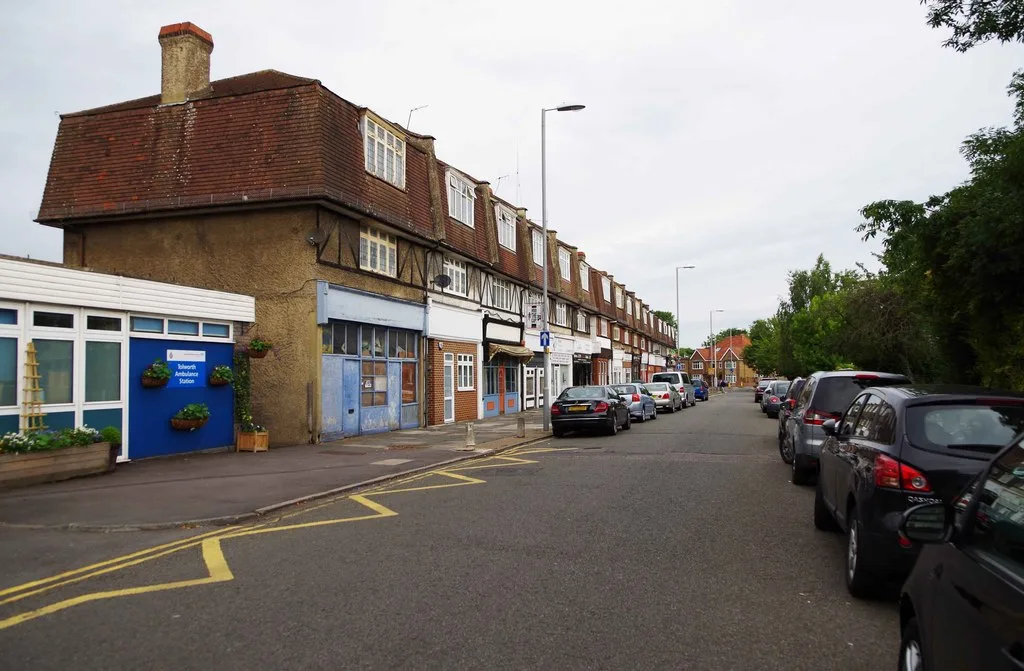

Thames Water's revised Teddington plan routes construction lorries through Surbiton and Tolworth, and raises trips at the Ham worksite from 6,246 to 14,000.
Three roads in the Kingston borough have been added to the lorry route for a national water project on the Thames. Thames Water’s revised plans for its Teddington abstraction scheme name a stretch of main road that was not in last year’s proposals:
- the A3210 Kingsdowne Road
- part of the A240 Ewell Road
- the A240 Tolworth Broadway
The company says the addition is because that route “provides a more direct connection to the wider strategic road network”. The detail is in its supplementary consultation booklet, published in May 2026.
The main building site is not in Kingston. It is Burnell Avenue Open Space in Ham, in the London Borough of Richmond upon Thames, just over a mile north of Kingston Bridge. The scheme does have one worksite inside the borough, on Tudor Drive in Norbiton, and the work there is getting smaller rather than bigger.
Lorry trips at the main worksite more than double
The same booklet revises the number of heavy goods vehicle movements the scheme would need. One movement is a single trip in or out.
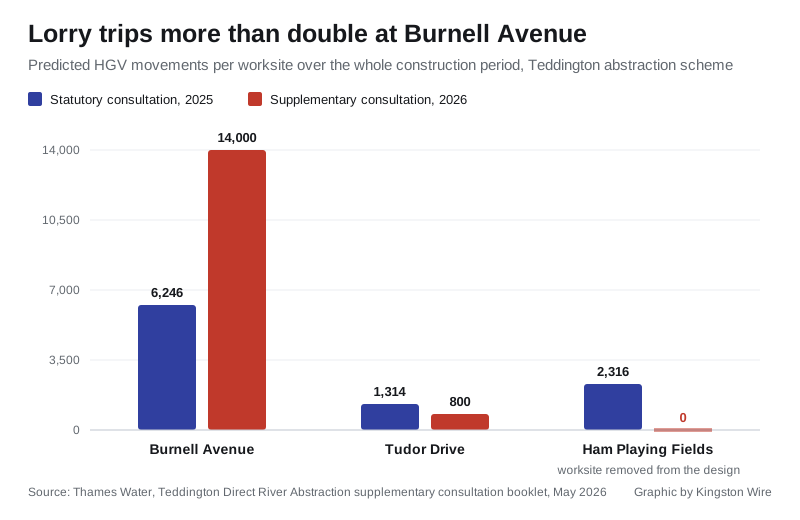
At Burnell Avenue, Thames Water told last year’s statutory consultation it expected 6,246 movements across the whole construction period, with a maximum of 32 on any one day. It now expects around 14,000, with up to 60 a day during the busiest phase. That phase is expected to last about three months.
Two other worksites go the other way:
- Tudor Drive, Norbiton, the only worksite in the Kingston borough: down from 1,314 movements to 800, and from a daily maximum of 12 to six
- Ham Playing Fields: removed from the design entirely, taking 2,316 movements with it
The Ham Playing Fields site was dropped because Thames Water has decided not to build an intermediate shaft there, after what it calls a technical review with tunnelling experts. The tunnel would still pass underneath the land.
Tudor Drive gets lighter for a different reason. Thames Water now proposes to connect the intake to the existing Thames Lee Tunnel from the Burnell Avenue site rather than from Tudor Drive, so less has to be done at the Kingston end.
The work would also last longer. Thames Water had expected construction at Burnell Avenue and Tudor Drive to run from the end of 2030 to the end of 2032. It now expects the Burnell Avenue site to start at the end of 2029 and continue until early 2033, with restoration, planting and commissioning after that.
What the company says about the traffic
Thames Water’s own initial appraisal does not treat the new Kingston roads as a problem. Adding the A3210 Kingsdowne Road, part of the A240 Ewell Road and the A240 Tolworth Broadway “is not expected to result in additional likely significant effects”, it says, because the extra lorries would not be noticeable against the traffic those main roads already carry.
The effects it does expect to be significant are on smaller roads at the Ham end. The booklet names Beaufort Road, Burnell Avenue, Dysart Avenue and Dukes Avenue, all in Ham, because those are local roads with relatively low traffic now.
It also acknowledges the increase in lorry journeys and the longer build “would affect the area around Burnell Avenue”, and says it would try to manage movements to reduce the number entering or leaving at any one time. The document that will actually set those limits, a Construction Traffic Management Plan, is not written yet. It will be published with the planning application.
One point of reassurance for Surbiton. The roadworks on Ewell Road now are nothing to do with this. Those are UK Power Networks cabling, due to finish on 28 October 2026, and they are listed on our Kingston roadworks page. The abstraction lorries would not start until the end of 2029 at the earliest.
What the scheme is
The Teddington Direct River Abstraction project would take up to 75 million extra litres of water a day from the Thames during a drought, and top the river back up with highly treated water piped from Mogden Sewage Treatment Works in Isleworth. The water taken out would go to Thames Water’s reservoirs in the Lee Valley in north London, through an existing tunnel.
The government issued a direction in December 2023 treating it as a project of national significance, so it needs a Development Consent Order rather than ordinary planning permission. Thames Water says it will apply to the Planning Inspectorate in early 2027, a year later than it originally intended.
Kingston Council has not endorsed it. In a statement on the council’s website, council leader Andreas Kirsch says he has “concerns about whether or not this is the right site for Thames Water’s abstraction project and the potential impact during the construction period on Kingston and North Kingston residents”, and concerns about the ecological effects.
The open space, and what would be left in it
The other change is what stays behind once the diggers go. Thames Water is proposing more permanent maintenance hatches set into the grass at Burnell Avenue Open Space:
- around the intake structure, up from 8 to about 20, with roughly 10 of them set into a widened cycle path
- around the outfall structure, up from 5 to about 14
Most would be 2m by 2m, with one hatch at the reception shaft expected to be 3m by 4m. Thames Water says it is “continuing to look at reducing hatch numbers and sizes”. Underground equipment at the outfall would extend about 50m further into the open space than the design published last year, and the control building would grow from 5.5m by 5m to roughly 7m by 10m.
The company’s own appraisal is blunt about what that means for the grass. The effect on people using it for recreation “could now be significant because of the greater surface area of recreational land permanently taken up by hatches”, it says, and the effect on the Riverside North Conservation Area is “now potentially a likely significant effect”.
That riverside strip is well used from the Kingston side. Kingston parkrun starts, in its own description of the course, “in the green space adjacent to the River Thames, at the boundary between Kingston and Richmond”, and is run almost entirely on the towpath. Thames Water’s booklet does not mention the parkrun, and the event’s own website carried nothing about the scheme when we checked on 9 September, so we cannot say what effect, if any, it would have on the run.
What it means for you
The consultation on these changes has already closed. It ran from 21 May to 18 June 2026, so there is nothing to respond to now.
The next chance to be heard is the planning application itself:
- Thames Water expects to apply to the Planning Inspectorate in early 2027
- the Inspectorate then has 28 days to decide whether to accept the application for examination
- once it is accepted, members of the public can register as an interested party and make written or spoken representations. The Inspectorate’s own guide to having your say explains how
- the Construction Traffic Management Plan, which will set out lorry routes and controls, is published as part of that application, not before
If you want the traffic detail rather than the planning process, that plan is the document to wait for. It is the one that will say how many lorries, at what hours, on which roads.
Planning decisions closer to home are on our Kingston planning page, and current closures on the roadworks and travel page.
Frequently asked questions
Which Kingston roads would the lorries use?
Thames Water’s May 2026 booklet adds the A3210 Kingsdowne Road, part of the A240 Ewell Road and the A240 Tolworth Broadway to the construction traffic route, on top of roads it had already identified. It says the section gives a more direct link to the strategic road network.
When would the lorries start?
Not for years. Construction at the Burnell Avenue worksite is now expected to begin at the end of 2029 and run to early 2033. The current roadworks on Ewell Road are unrelated UK Power Networks cabling, due to end on 28 October 2026.
How many lorries would there be?
Thames Water forecasts around 14,000 HGV movements at Burnell Avenue across the whole build, up from 6,246, with up to 60 movements a day during a busiest phase of roughly three months. At Tudor Drive in Norbiton the forecast falls from 1,314 movements to 800.
Where is the actual building work?
The main worksite is Burnell Avenue Open Space in Ham, in the London Borough of Richmond upon Thames, just over a mile north of Kingston Bridge. The one worksite inside the Kingston borough is on Tudor Drive in Norbiton.
Can I still object?
Not to this consultation, which closed on 18 June 2026. Thames Water plans to apply to the Planning Inspectorate for a Development Consent Order in early 2027. Once the application is accepted, members of the public can register as an interested party and make representations.
What is the scheme for?
It would take up to 75 million extra litres of water a day from the Thames during a drought and replace it with highly treated water piped from Mogden Sewage Treatment Works. The abstracted water would go to reservoirs in the Lee Valley.
Sources
- Teddington Direct River Abstraction supplementary consultation booklet, Thames Water, May 2026 for the new construction traffic route, the HGV movement figures and daily peaks, the revised construction timetable, the hatch numbers and sizes, the control building dimensions, the named roads with likely significant traffic effects, and the Development Consent Order timetable.
- Teddington Direct River Abstraction newsletter, Thames Water, May 2026 for the removal of the intermediate shaft at Ham Playing Fields and the summary of proposed changes.
- Thames Water Strategic Resource Options, TDRA project page for the 75 million litres a day figure and the consultation dates.
- Statement on Thames Water Teddington Direct River Abstraction project, Royal Borough of Kingston upon Thames for council leader Andreas Kirsch’s comments.
- Kingston parkrun course page for the description of where the course starts and the surface it is run on.
- Burnell Avenue’s location and distance were checked against OpenStreetMap, which places it in Ham, London Borough of Richmond upon Thames, TW10 7YE.
Have your say